The browser you are using is not supported. Please consider using a modern browser.
The Wrong Help Can Hurt
Ensuring Immigration Cases Are Handled by Professionals
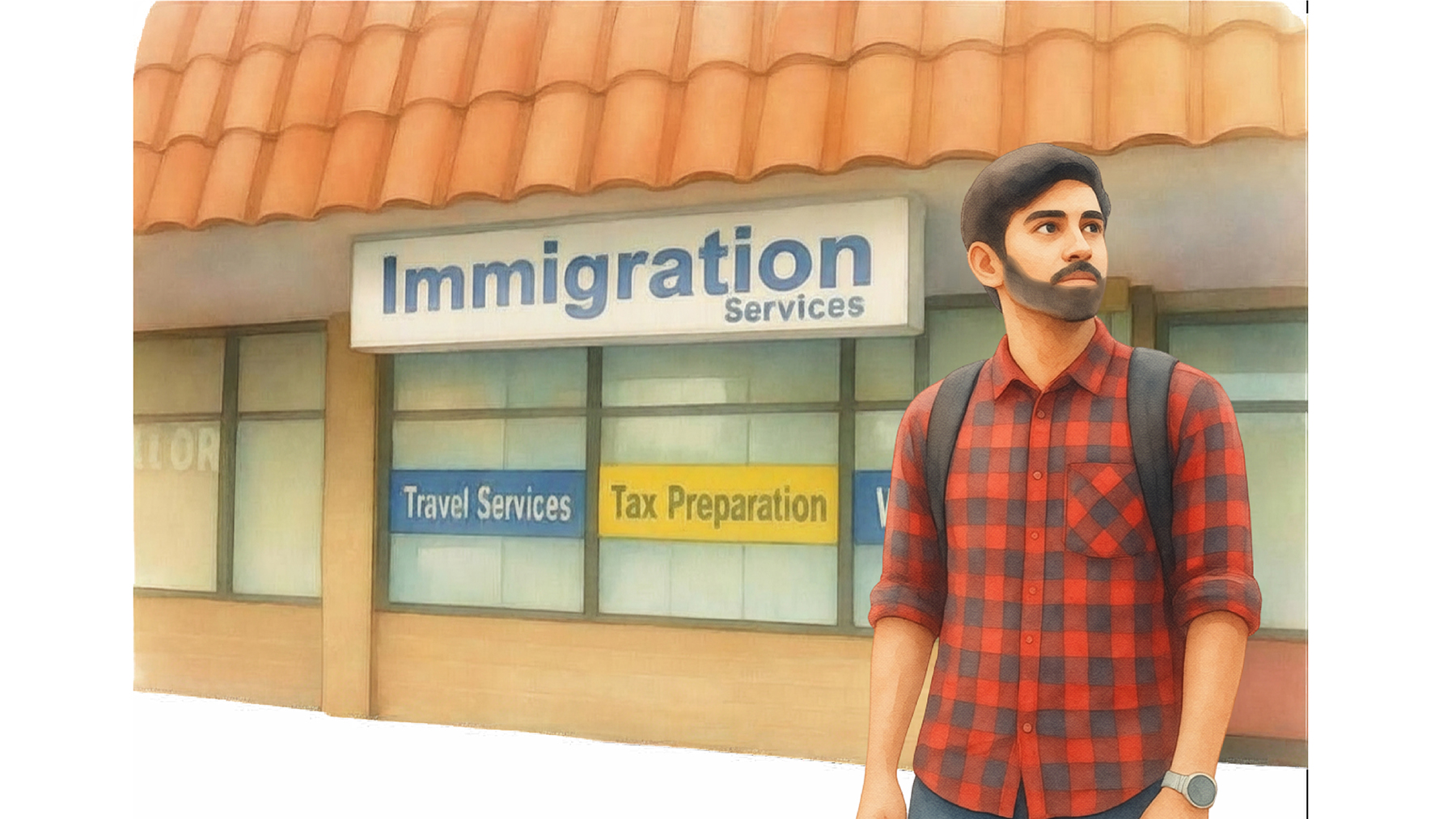
At Global Refuge, we know that navigating the United States immigration system is not easy—but the wrong help can hurt. Whether you’re in need of support yourself or working with someone who does, please find more information on the Unauthorized Practice of Immigration Law and how to ensure that legal support comes from a qualified, authorized provider below.
The Global Refuge team produced a series of videos in conjunction with the Texas Bar Foundation helping members of the Afghan community and beyond avoid unauthorized practice of immigration law and immigration scams. Watch it below in English, Dari, or Pashto.

Unauthorized Practice of Immigration Law
What Is It?
The unauthorized practice of immigration law happens when someone who is not a licensed attorney or a DOJ accredited representative gives legal advice or helps with immigration cases.
This can include:
- Telling someone which forms to file and how to complete them
- Giving advice about a case
- Filling out forms for someone and charging money
- Saying they are a “notario” or expert when they are not.
Why Is It Harmful?
Immigration law is complicated. Small mistakes can cause big problems.
If someone in need of services gets help from someone who is not qualified, it can lead to:
- Wrong or incomplete applications
- Missed deadlines
- Case denial
- Loss of money
- Serious problems, including deportation and detention
How to Protect Against Unauthorized Practice
- Only work with a licensed attorney or DOJ accredited representative.
- Ask to see their credentials and verify them.
- Do not trust anyone who promises a fast or guaranteed result.
- Always keep copies of all documents.
Learn more about efforts to combat these deceptive practices in your state here.
Protecting from Immigration Services Scams
Immigrants and their families are often targeted by dishonest individuals who promise fast results, guaranteed approvals, or “special connections” with immigration agencies. Learning how to recognize immigration scams can help protect those seeking services’ money, personal information, and futures.
Common Types of Scams
“Notario” or Fake Legal Services Scam
In many countries, a “notario” is a licensed legal professional. In the United States, however, a notary public is not an immigration attorney. Some individuals falsely advertise themselves as immigration experts and charge high fees for legal advice they are not authorized to provide.
Warning signs include:
- Claiming they are a lawyer when they are not
- Refusing to provide a license number or credentials
- Giving legal advice without proper authorization
- Charging large upfront fees without a contract
Guaranteed Approval Scam
No one can guarantee approval of a visa, green card, work permit, or citizenship application. Immigration decisions are made by the U.S. government.
Warning signs include:
- Promises of “100% approval”
- Claims of special influence with immigration officers
- Pressure to pay immediately to “secure your case”
- Pressure to pay by Zelle
Impersonating Legitimate Services Provider
Some scammers pretend to be real immigration legal services providers by using the attorney or DOJ accredited representative’s name, bar number, website photos, or copied office information. They may contact immigrants through phone calls, text messages, email, WhatsApp, or social media and claim they are handling a case or offering legal help.
In some cases, scammers create fake websites or social media pages that closely resemble a real law office. Others may falsely claim to work for a legitimate attorney or immigration organization.
Learn more about some of these scams from the American Bar Association.
Fake Government Websites and Emails
Scammers create websites, emails, or social media pages that look official to collect money or personal information.
Warning signs:
- Requests for payment through gift cards, wire transfers, or cryptocurrency
- Email addresses that do not end in “.gov”
- Messages demanding urgent payment or threatening deportation
For official immigration information, be sure to use the official websites:

The Wrong Help Can Hurt: Mr. H's Story
Mr. H thought that his friends and family were helping him renew his work permit. Unfortunately, a small mistake had big consequences—but the Global Refuge Immigration Legal Services team got him back on track.
Read His StoryHelpful Resources
Legal Help
If you or someone in your community needs legitimate immigration legal help, refer to the following:
- American Immigration Lawyers Association (AILA)
- CLINIC Affiliate Directory
- Immigrant Advocates Network (IAN)
- National Association of Consumer Advocates (NACA)
For victims needing help from consumer protection attorneys, visit consumeradvocates.org/findan-attorney.
Resources for Avoiding Fraud and Scams
- Learn more about the unauthorized practice of immigration law from the American Bar Association.
- Learn more about efforts to combat these deceptive practices in your state in CLINIC’s 50 State Guide.
Resources for those Seeking Services
Frequently Asked Questions
-
In some countries, a “notario” is a lawyer. In the United States, a notary public is not a lawyer and cannot give legal advice.
-
• A licensed attorney
• An accredited representative approved by the U.S. Department of Justice -
Be careful. Even filling out forms can require legal knowledge. If the person is not qualified, they can make mistakes that hurt your case.
-
• Ask to see their license or proof of the organization’s DOK Recognition and Accreditation (R&A)
• Check their name with their state bar association
• Ask questions about their experience
-
• They guarantee approval or fast results
• They ask for a lot of money upfront
• They insist you pay by Zelle
• They do not give you copies of your documents
• They tell you to answers questions wrong on your application
-
You can report the problem to:
• Your state attorney general’s office
• The Federal Trade Commission – Submit reports through the FTC’s complaint portal. Reports can also be made in English or Spanish: www.reportfraud.ftc.gov or call 1-877-FTC-HELP (1-877-382-4357).
-
Look for:
• Licensed immigration attorneys
• DOJ Recognized nonprofit organizations with DOJ accredited representatives
Where to Find Qualified Help
If you or someone in your community needs legitimate immigration legal help, refer to the following:
• American Immigration Lawyers Association (AILA): www.ailalawyer.com
• CLINIC Affiliate Directory: www.cliniclegal.org/find-legal-help/affiliates/directory
• Immigrant Advocates Network (IAN): https://www.immigrationadvocates.org/legaldirectory/
• National Association of Consumer Advocates (NACA): For victims needing help from consumer protection attorneys: www.consumeradvocates.org/findan-attorney

You can change lives.
Explore the many ways to support Global Refuge.
Get InvolvedExplore the many ways to support Global Refuge.
Get Involved